Understanding the Realities of Chemical Manufacturing
Chemical manufacturers don’t often make headlines unless there is a crisis or a major breakthrough. Recently, Inner Mongolia Shuangxin Environment-Friendly Material Co., Ltd. has started appearing in industry news cycles. There’s talk about its rapid growth, production methods, and regional impact. As someone who has spent decades working in the heart of chemical plants, stories like this always get my attention. It isn’t every day you see a company from Inner Mongolia getting focus for sustainable efforts in the raw materials sector. The term "environment-friendly" in the name raises expectations and scrutiny, especially now, as stricter government requirements and customer concerns put manufacturing practices under the microscope.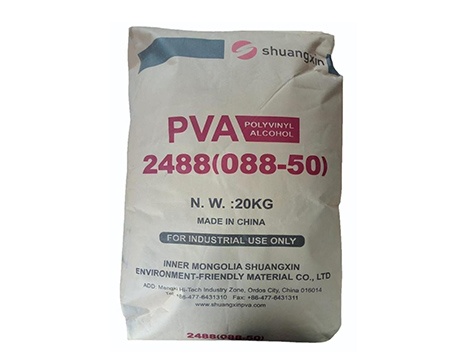
The Shift Toward Cleaner Chemical Production
A manufacturer claiming environmental responsibility signals a direct response to real pressures from regulators and communities. Years ago, chemical production meant smoke, waste, and endless shipments under secrecy. Now, just like Shuangxin, we run double containment, advanced gas scrubbing, and water reuse systems. These upgrades do not happen overnight. Equipment retrofits bring headaches—months of downtime, retraining for every shift, supplier contracts changing midyear, and upfront costs that bite deep into profits. But turning out raw materials cleaner than before means holding onto both operating licenses and customer trust. Fail to adapt, and the factory gates never unlock again after an inspection. Real companies weigh these risks every quarter and sometimes daily.
Regional Impact and Resource Logistics
Location shapes chemical operations in stubborn ways. Inner Mongolia traditionally meant low cost energy, strong rail logistics, and access to local minerals. Big companies take advantage, setting up in places like Baotou for easy feedstock and savings on bulk transport. Some people see these advantages and imagine carelessness with local land and water. Scrutiny rises with each expansion, and factories now keep tighter records and stricter process controls than they did even five years back. Gone are the times when untreated runoff could flow past fences into outside fields. Factories in this region deal with regional government spot checks—their impact spreads beyond just chemical supply, into local jobs, land values, and water tables.
What “Environment-Friendly” Means on the Factory Floor
In practice, an “environment-friendly” label comes from more than paperwork and public pledges. It’s seen in updated batch reactors, new solvent recovery columns, switches from coal boilers to gas turbines, and the addition of activated carbon beds. This work happens in phases—not because manufacturers lack ambition but because the cost and complexity stagger even mid-sized firms. When a company like Shuangxin starts putting these pieces into place, colleagues across the sector take note. Such upgrades mean more stable yields, fewer odor complaints drifting toward housing, and a greater sense of security every time a pipeline is opened for cleaning. The best plants have operators who spot leaks early, maintenance crews who chase after tiny drops on valves, and leadership that listens when the front-line staff speak up about process tweaks.
New Products, Old Risks
New lines of greener materials don’t erase the hazards overnight. Chemical processes sometimes surprise even experienced hands. One slip in controlling temperature or mixing sequence, and there can be unintended reactions. In our own factories, emergency response drills run every month for a reason. You’ll find similar routines at competitors determined to keep both reputation and staff intact. Plants regularly revisit process hazard assessments, calculating new risks as the recipe changes along with customer demand. These calculations push manufacturers to constantly upgrade personal protective equipment, add redundant alarms, and tweak stacking protocols to reduce human error. The presence of a green image doesn’t mean ignoring the basics: keeping people and communities out of harm’s way.
Facing the Challenges Head-On
Manufacturing in this landscape tests every part of an organization. Suppliers no longer accept handshake agreements and vague schedules; contracts require detailed environmental clauses and performance guarantees. Down the line, customers ask more questions and expect life cycle assessment documents. They visit plants, ask about air emissions, and bring up wastewater figures. Financial officers watch regulatory risks against insurance costs. Production staff get monthly health testing, and any accident gets reported at regional industry meetings. A reputation slips much faster than it is earned, so every manufacturer making an “environment-friendly” case, as with Shuangxin, works overtime to avoid one bad day undoing years of effort.
Opportunities from Policy and Public Opinion
Policy moves quickly in China, especially on environmental controls. Many chemical manufacturers scrambled when new emissions standards arrived—compliance came with threats of shutdowns. Those able to update their technologies and processes step into expanding markets left behind by those who failed to meet the bar. Government support comes, but only for those able to demonstrate real changes on the ground. Industry groups visit, tour the labs, and take samples. Anyone flouting regulations faces swift punishment and permanent bans. As more customers—both domestic and overseas—ask about chain-of-custody, recyclability, and energy consumption, showing hard data instead of slogans becomes a daily necessity. Internal recordkeeping, automated data logs, and transparent accounting practices stop being luxuries and turn into the basics.
Sustainable Growth from an Insider’s View
Many outside the industry think green chemistry is just about swapping out a few raw materials or buying carbon offsets. Actual change comes with hundreds of operational decisions every day. Factories spend huge sums replacing old refractories in kilns or lining storage tanks with new corrosion-resistant alloys. Each investment must balance future regulatory shifts with short-term cash flow. It takes real experience to predict how a new government order might impact existing lines or which hazard a minor valve upgrade will prevent. The transition offers opportunities to those who know their assets and can back up claims with technical documents and regular third-party audits.
Building Trust with Action, Not Words
Customers spot empty claims quickly. Online, every claim gets dissected. Investors, too, dig through environmental records for inconsistencies. Engineers from other plants compare notes and recognize who is improving and who is just posturing. Lasting trust comes from steady output, predictable quality, and visible upgrades—vent scrubbers that actually hum, storage tanks with zero leaks, and wastewater treatment that meets real discharge limits. Every time an emergency gets handled without escalation, trust grows a little more. Every successful audit, every reduction in emissions, adds weight to the reputation built up by day and night work. As Shuangxin’s name circulates, competitors and partners watch closely for any sign of cutting corners or, just as eagerly, for signs of genuine leadership in moving Chinese chemical manufacturing into a cleaner era.
Website: www.china-pva.net
Whatsapp: 0086-15380400285
E-mail: sales2@china-pva.net