Reflections from a Manufacturer’s Floor
After years spent managing polyvinyl alcohol production lines and watching every nuance of polymerization, anyone in this business knows there’s more to PVA than what reaches a customer’s warehouse. Ningxia Landy’s recent headline grab did not surprise me. We all monitor capacity expansions and new entrants, since any significant movement in the market impacts resin flows across hundreds of industries. As someone who has weighed raw material quality in the palm of my hand and followed bags of acetate through hydrolysis to the final dry powder, I can tell you shifts like this have consequences far beyond buyer-seller negotiations. Reliable PVA takes more than a label or a batch run; it involves tracking moisture, viscosity, residual acetate, ash content, and even transport timeframes down to the hour. Every step, from monomer selection to filtration, leaves fingerprints on the final granule.
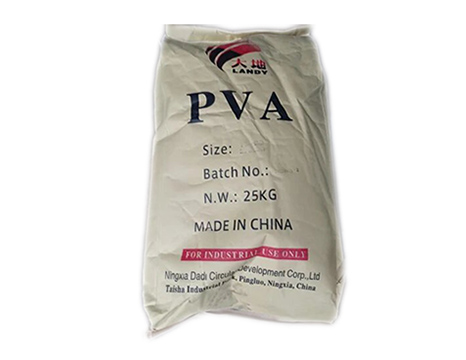
Costs rarely stay the same in this business. Just last year, rising raw material prices forced us to innovate column design and rethink our filtration setup, and these adjustments trickle down through the supply chain. Ningxia Landy’s changes, or their scale, mean everyone from film coaters to cement admixture blenders might see different availability or even product grades on offer. In larger plants, an uptick in capacity means local sourcing for raw materials gets tighter, so smaller producers or overseas buyers often feel the pinch. When one regional leader modernizes a reactor or brings a new grade to market, we all pay attention—not just for the competition, but also for what their process changes mean for the overall batch-to-batch consistency that downstream applications demand. I’ve stood in control rooms watching operators debate settings because a single pressure swing can mean downstream blockages or off-spec viscosity, and those headaches never get cheaper when they hit your loading dock.
Opinions about Ningxia Landy often split depending on who you ask. Sales teams may focus on the tonnage they move, but from the manufacturing side, the discussion centers on how well another producer’s quality controls stack up. Experience shows that running a hydrolysis reaction longer can kill acetate content but set up chain scission, lowering mechanical properties. Every year, we analyze other producers’ samples, testing solubility curves and residue, comparing their actual, not theoretical, process yields. When another facility announces an expansion, we look at their technology stack: Are they monitoring off-gas volumes, or are they relying on periodic batch testing? Intimate knowledge of the reaction hall, combined with harsh lessons after an impure batch clogs a client’s sprayer, keeps us humble. Over the years, the reliability of finished material separates true producers from those who just repackage bulk bags.
Industry-wide, real transparency means more than publishing COAs or running certified labs; it comes down to how you talk to your clients about occasional variance and what steps you take to prevent it. I’ve fielded calls at midnight from clients who got a load from another maker, asking if I can explain unexpected changes in film strength or water solubility. Only someone who has spent time troubleshooting a digester understands how upstream tweaks influence a finished product in high-stakes settings like textile yarn sizing or PVA-based adhesives. This is why news of capacity shifts or new supply chains matter so much—not because the raw material itself has changed, but because the knowledge that went into crafting it changes with each process.
Every tweak to sourcing or processing cascades through the marketplace. I’ve had sharp procurement managers approach me years later, still asking for the same grade we supplied before an upstream disruption forced us to alter a catalyst or shift a filtration protocol. They remember that, before a facility expansion, a product ran perfectly on their lines, so even a minor difference—maybe in particle distribution or foam level—matters. It’s tempting for buyers to trust a known brand and overlook manufacturing detail, but what you get in actual performance depends more on what happens inside production towers and on the plant floor than on glossy marketing.
What does all this mean for producers and users worldwide? Supply changes on the scale of Ningxia Landy force us all to step up our process monitoring and most importantly, reinforce our partnerships with longtime buyers. In the end, traceability, honest reporting, and tight process management keep both our products and our reputation strong. Whether we’re shipping bags locally or containers overseas, no shortcut replaces stewardship and the lessons learned from decades spent sweating every detail of polymer chemistry. As the landscape evolves, real manufacturers invest not only in bigger reactors but in better control, sharper analysis, and clear conversations with those who count on our resins running right every time.
Website: www.china-pva.net
Whatsapp: 0086-15380400285
E-mail: sales2@china-pva.net