Sahara International Petrochemical and the EVA Landscape in the Middle East
Hands-On Experience: Meeting the Demands of the EVA Market
From inside our production lines, we see the hunger for ethylene vinyl acetate (EVA) across the Middle East. It’s not a boardroom myth cooked up by analysts – every month, purchase orders pile up, and our engineers keep the reactors humming at tight specs. The market for EVA stretches from wire and cable factories in the Gulf to footwear injection plants along the Levant. The region’s solar panel boom has added another layer of urgency. Film manufacturers used to call us about the basics – melt index, vinyl acetate content. These days the calls focus on consistency, reliability, and stable lead times. Downstream manufacturers can’t gamble with interruptions, especially as capacity at their end runs close to its limits. Nobody wants a scenario where a solar project stalls because an EVA encapsulant shipment lagged in transit. Our job as manufacturer runs deeper than making EVA to spec – it means controlling every step of the supply chain, right from cracking naptha to finished resin in the bag, chasing every trace impurity out, ensuring every lot passes the actual machine tests, not just the lab sheets.
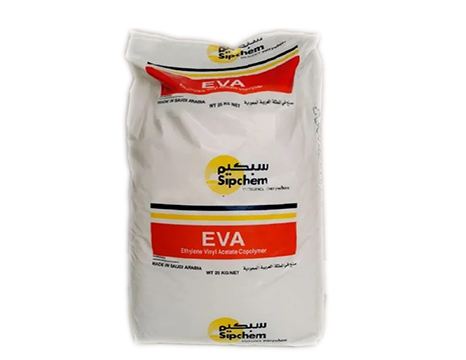
The Middle East’s Move Toward Self-Sufficiency
Years ago, most of the EVA used in this region arrived in containers offloaded in Jebel Ali or Dammam, coming from Asia or Europe, adding weeks to lead times and lifting costs with duties and port fees. Local producers spent a lot of time arguing with customs, watching economic value leak out at every border. By anchoring EVA capacity here, we keep jobs and know-how rooted in the Gulf. Tech teams from Riyadh and Jubail don’t just run the plants – they continuously tweak catalyst loads, adjust pressure profiles, and chase process improvements month after month. Every ton made here cuts dependence on outside producers and insulates customers from supply shocks or shipping delays. We know the knock-on effect: when regional manufacturers can get raw material domestically, growth in everything from cables to car components speeds up. This isn’t just about patriotism; it’s about building a whole industrial ecosystem, one step at a time, so every layer benefits.
The Challenge of Technological Adaptation
Making EVA is not a cut-and-paste operation. Much of the process borrows from established high-pressure polymerization chemistry, but regional factors always crop up. Gulf summers mean plant instrumentation faces thermal drift; catalyst efficiency changes day and night. Feedstock quality can shift depending on refinery swings. Every engineer in our control rooms has spent grim hours troubleshooting batch variation or tackling contamination that sneaks in from upstream pipes. The biggest investments we make each year target upgrades to compressors, reactor linings, and downstream purification. Every time a roll of solar encapsulant delaminates or a shoe sole cracks, we hear about it direct from the customer. Instead of a faceless supply chain, our R&D sits shoulder-to-shoulder with processors, running pilot lines and failing fast, then fixing the blend or tweaking the process to match evolving applications. There’s no algorithm or off-the-shelf technology that can replace these years of troubleshooting and close collaboration.
Quality Assurance: Mistakes Here Echo Downstream
Anyone in manufacturing knows that small off-spec variances can ripple with outsized consequences. For EVA, tiny changes in melt flow or acetate content determine how well adhesive films bond or how smoothly a shoe outsole releases from its mold. We have seen plenty of cases where a shipment from overseas arrives weathered or packed off the wrong line, setting off days of lost production. That history changed the way we approach QA – the lab team runs continuous tests not just for the numbers on the technical sheet, but for how each batch actually handles in extrusion, compounding, and molding. Our engineers walk the customer’s floor to watch the pellet feed system or film calendaring. With local production, we respond to issues in hours instead of weeks. Defective lots don’t end up in the wild – we reprocess or discard them on-premise instead of exporting problems.
Driving Sustainability and Circular Strategies in Polymer Production
Polymer manufacturing used to exist in its silo, sending out materials and letting downstream players worry about waste. That approach doesn’t fly anymore. Environmental standards shift every year. We have made tangible changes because our plant operates under continuous review from regional environmental authorities – VOC emissions, water discharge, waste heat recovery. Polymers tied directly to solar panel manufacturing face even closer scrutiny: if we hope to play in global supply chains, we must show a documented reduction in carbon footprint per ton produced. We invest in closed-loop process water cooling, optimize energy across the extrusion trains, and look for opportunities to reprocess scrap from our own lines. Circularity is not jargon here; we track the tons of offcuts and regrind material absorbed into new batches. By tackling these problems at the manufacturing site, regional converters get a head start when meeting sustainability goals in their finished products.
Market Volatility and Raw Material Security
Every manufacturer in the region faces the same headache – ethylene and acetic acid, lynchpins of EVA production, ride on the global tide of petrochemical prices. When a refinery in Asia blips, resin costs here twist with almost no warning. We have invested in multi-year supply contracts with nearby producers to keep our lines running and shield the worst spikes from downstream buyers. Storing feedstock and ramping up inventory risk is expensive, but it’s the only way to provide steady supply during market shocks. Customers running continuous extrusion need this certainty; nobody can plan a factory around guesswork in raw material pricing. We see ourselves as holding up one link in a much longer chain – a chain that doesn’t forgive sudden breaks.
Building Long-Term Partnerships Over Transactional Sales
Trading companies move resins in and out of the region based on price, but as a manufacturer, relationships run deeper. The shoe manufacturer who calls us at midnight over a speck of black spot in their injection line gets real help, not an email redirect. Technical support isn’t “value-added service” here; it’s survival, because our reputation stands on the batches we ship. We supply regular training and on-site visits so that compounders and converters solve their problems with full knowledge of our material’s behavior under local conditions. This builds trust, and that trust means we co-invest in long-term projects, not just buy-sell cycles.
Ongoing Innovation for Regional Needs
Applications for EVA keep evolving, and unless the manufacturer keeps pace, competitors will fill the void. Encapsulant films in solar panels want better transparency and long-term UV stability. Medical producers ask for stricter purity with minimal leachables. Packaging demands higher impact resistance. We keep research teams at the edge of these needs, designing batches that suit these directions. This is not a static business; every year brings requests for new grades, tighter tolerances, and custom blends. Regional innovation thrives only if material scientists sit in daily conversation with processors and product designers, building up the technical base right here, not just licensing technology from abroad.
The Core Role: More Than Just EVA Resin
Supplying EVA at scale isn’t about filling order books – it’s a constant act of adaptation, troubleshooting, and responsibility to every player down the line. As a rooted manufacturer, we bring all the learning from the ground – how variable weather impacts power stability, what film extruders want on Monday morning, why one customer’s feed screw gums up on another’s batch. The EVA market in the Middle East has room to grow, and real progress means local, reliable, and responsive resin production that answers every challenge as it comes, batch by batch, year by year.
Website: www.china-pva.net
Whatsapp: 0086-15380400285
E-mail: sales2@china-pva.net