From Our Factory Floor to Global Markets
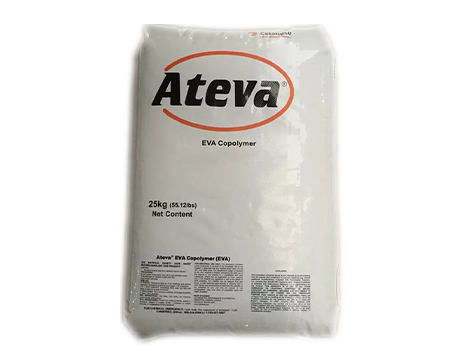
Ateva EVA copolymers represent a family of materials we see daily rolling off our reactors—an embodiment of what it means to combine precision chemistry with hands-on manufacturing. Our teams have spent years tuning conditions, tweaking catalysts, and balancing temperatures to get the most consistent pellets possible. You can’t simply buy know-how like this in a textbook. Ethylene-vinyl acetate sounds technical, but for those of us who’ve watched a slurry turn to a glossy resin, it’s a story of real-world problem solving. We see requests from solar panel makers, cable sheathers, and those producing high-performance foams all asking for something that does more than basic polyethylene. They’re not interested in generic resin; they want that mix of flexibility and toughness EVA can deliver.
Why Formulators Keep Coming Back to EVA
Ateva copolymers bridge gaps traditional materials leave behind. Polyethylene tends to get brittle at low temperatures. Pure vinyl acetate doesn’t hold mechanical strength. By merging these monomers, we create a material that can handle stress, flex when needed, and avoid cracking when cold fronts sweep through. This resilience doesn’t come from marketing—it comes from running extrusion and molding trials on the lines ourselves. Production runs rarely go perfect the first time. We have engineers tasked with measuring exact melt index values, testing how fast these pellets melt and flow. If one batch gels too quickly or releases volatiles at the wrong time, downstream equipment chokes. We feel these pains directly, which pushes us to reduce batch variability and avoid costly interruptions for everyone downstream.
Beyond the Bag: Real-World Uses Shape Every Batch
People often overlook just how vital EVA copolymers have become across industries. Take solar encapsulation, for example. Silicon solar cells aren’t tough on their own; they need a shield that won’t turn yellow or turn brittle after years under UV. It’s not just about clarity but about holding layers together under decades of sun exposure and mechanical stresses. We’ve supplied EVA to these manufacturers for years, and that gives feedback loops—what failed, what lasted, how do changes in vinyl acetate content shift performance. The same goes for athletic shoe midsoles. Footwear designers demand consistent cell structure because an athlete’s comfort relies on thousands of well-formed bubbles and the right snap-back. We’re not debating things in theory—we’re constantly adapting reactor feed rates and blend ratios based on what customers put through their own tooling.
Chasing Consistency While Embracing Change
Our chemists and line operators do not simply hit a preset button and walk away. Real-world production throws curveballs with every order. Subtle shifts in ethylene purity, trace catalyst moisture, even the way pellets cool on the line, affect how Ateva copolymers behave. Managing this complexity means investing in robust process controls and statistical analysis. We prefer catching minor drifts at the source. Instead of waiting for complaints, we constantly sample, test, and log melt flow rates, gel counts, and tensile strengths. We also invest in partnerships with users who push Ateva to its limits. For foam fabricators demanding soft, resilient sheet goods, a missed density by a few percent puts rolls out of spec. Our feedback loop runs both ways. Insights from adhesive formulators or cable manufacturers circle back to our lab benches so we can tinker with recipes and sometimes rethink process sequences entirely.
Improving Value and Reducing Waste
Input costs rise, environmental pressure builds, and everybody asks how to do more with less. Our Ateva teams have adapted both in raw material sourcing and process energy management. We look closely at ethylene chain suppliers, evert higher vinyl acetate integrity, and ways to maximize reactor uptime. Waste streams are never ignored. Off-spec pellets could become feedstock for lower-grade applications, and every drum reused cuts down on disposal. Major investment goes toward closed-loop systems—reclaiming and reprocessing purge quantities to minimize landfill. We also review formulations with customers aiming for recyclability, which often means adjusting copolymer grades for easier downstream recovery. These changes reflect years of knowing firsthand what works and what never gets traction past R&D.
Facing the Future with Eyes Open
Markets never sit still. Current supply disruptions can disrupt resin output in weeks, and downstream customers quickly feel those effects. By remaining present in every stage of production—from monomer purchase through extrusion and lab testing—we see both the challenges and the opportunities on the horizon. Regulatory trends steer us toward lower-emission processes and safer additives. We approach these shifts pragmatically, having already swapped out outdated stabilizer chemistries and added emission capture points where needed. For anyone unfamiliar with Ateva EVA copolymers, the story here isn’t about textbook molecules. It’s about the reality of making a polymer work every day, in every ton, for thousands of operators, compounders, and end-users worldwide. The small tweaks matter, and the people down the line count on us not to cut corners.
Website: www.china-pva.net
Whatsapp: 0086-15380400285
E-mail: sales2@china-pva.net