A Manufacturer’s Perspective on Two EVA Grades
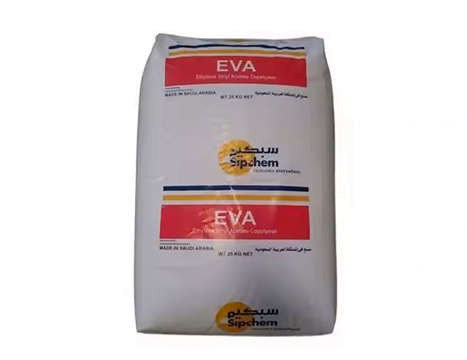
Many compounding and processing teams rely on EVA copolymers for everything from solar membrane encapsulation to film extrusion. From our vantage point on the plant floor, we watch how subtle changes in vinyl acetate content or melt flow rate drive process choices and even end-use performance. Today, questions often circle around the distinction between Sipchem EVA 2518 and EVA 3522. Our clients don’t just want a recitation of numbers—they want to know what those differences mean for their workstations and end-users, based on the real grind and rhythm of extrusion lines and polymer mixers.
EVA 2518 comes with a higher vinyl acetate content and a different melt index compared to 3522. These numbers never live in a vacuum. In our facilities, 2518’s composition delivers a softer, more flexible polymer. It handles lower temperature sealing beautifully and finds its way into films that need elastic recovery, such as stretch film and soft packaging materials. Line operators appreciate EVA 2518’s forgiving process window. Sheet gauge control becomes less of a battle, even during shifts plagued by subtle temperature variances in older extruders. The resin flows cleanly, reducing the nagging issue of die build-up and frequent tear-downs. This trickles down to fewer shutdown hours and more consistent roll formation.
On the other hand, EVA 3522 moves toward higher stiffness and lower vinyl acetate content, with a melt index tailored for applications that benefit from firmer touch or better dimensional integrity. We see converters favor 3522 for products where end-users care less about soft hand feel and more about clarity, tensile, or even puncture resistance—think agricultural films and hot melt adhesives. The blend stability of 3522 earns high marks when compounding with fillers or tackifiers. We field less feedback about gel formation and streaking, reducing scrap rates and letting production lines run at optimal speeds. Engineers who run coextrusion operations point out 3522’s edge in layer consistency; peel strength between layers stays high, with less bleed-through across boundaries.
Our technical teams have also noticed how additives disperse more easily in EVA 3522 than in grades with higher VA content. This proves useful for clients developing specialty masterbatches or color concentrates, where pigment cost and pigment waste mean real hit to margins. Because of the lower polarity relative to 2518, anti-block or slip agents incorporate evenly without clouding up finished films.
Material Choice and Industry Strategy
Resin grade substitution sounds simple, but downstream effects matter. For instance, one client facing growing demand for transparent low-temperature seal bags thought about switching from EVA 2518 to 3522, hoping to save on cost and increase rigidity. After a few shift trials, seal integrity dropped just below spec at standard operating temperatures, causing leaks that threatened their contracts. Sticking with 2518 avoided warranty claims. In contrast, a hot-melt adhesive formulator swapped from 2518 to 3522 to get easier handling and better block resistance without recalibrating dosing and feeder rates. Their adhesives ran more smoothly, with improved storability during humid months. Each story echoes the truth from plant floors: composition differences have ripple effects all along the chain.
Regulators and major customers have begun scrutinizing ethylene-vinyl acetate grades for food contact and environmental migration. Our process experts perform migration simulations and supply full documentation for each batch, especially for clients exporting to markets with evolving rules. With both 2518 and 3522 produced under strict QA conditions, batch consistency means processors keep their certifications—avoiding last-minute scrambles when an audit swings by.
Supply stability often comes up when multinational processors weigh material selection. We make sourcing decisions based on secure feedstock contracts for both 2518 and 3522, reducing chances of mid-year allocation surprises. Plant maintenance teams count on this, particularly as demand for solar encapsulant sheets rises and energy markets remain volatile. A hiccup in EVA supply can mean idle lines and lost orders, so we treat reliable batch delivery as non-negotiable—not just for end-customers but for our own survival.
Addressing Challenges in EVA Production
Every EVA run throws up its own set of hurdles. Controlling polymerization and keeping vinyl acetate levels within tight bands means constant process monitoring. Our reactor operators watch live readings and tweak initiator feeds to avoid off-grade material. Once, during an unusually hot quarter, a chain of utility failures forced us to halt a batch of 2518 to prevent out-of-spec VA drift—a decision nobody enjoys, but essential to maintaining an unbroken chain of trusted supply for critical medical and solar clients. In those moments, the seeming simplicity of “just another EVA grade” gives way to the reality of hands-on manufacturing vigilance.
Some downstream processers struggle with dustiness or pellet clumping in high VA grades like 2518, especially during long-distance freight in humid regions. We trialed several anti-caking agents and dialed in pelletizing conditions to cut down on agglomeration, getting feedback from clients with long supply chains. With 3522, transit issues crop up less, but increased line speed during compounding sometimes leads to static buildup. So, we work closely with packaging engineers to choose liners and bag types that discharge resin cleanly without line slowdowns.
Crafting EVA Solutions for the Real World
Ultimately, the difference between EVA 2518 and 3522 comes down to trust, transparency, and experience on both sides of the supply line. We don’t just hand over grade charts or certificates. We stay present for extrusion trials. We know that a percentage point change in vinyl acetate hits everything from bag seal strength to anti-block performance. Every shift, every production lot, our manufacturing team takes pride in seeing how these materials support the real work of packaging, solar, adhesives, and specialty compounding—and we stand ready to troubleshoot or adjust, batch by batch, to keep operations moving forward and customers getting exactly the results their markets demand.
Website: www.china-pva.net
Whatsapp: 0086-15380400285
E-mail: sales2@china-pva.net